EN
Girder plates are essential structural components widely used in various construction and engineering applications. Understanding the intricacies of girder plates, including their specifications, cost factors, applications, common issues, and material advantages, can significantly impact purchasing decisions. This article aims to equip purchasing managers, engineers, and product managers with practical insights that will guide them in selecting the right girder plates for their projects.
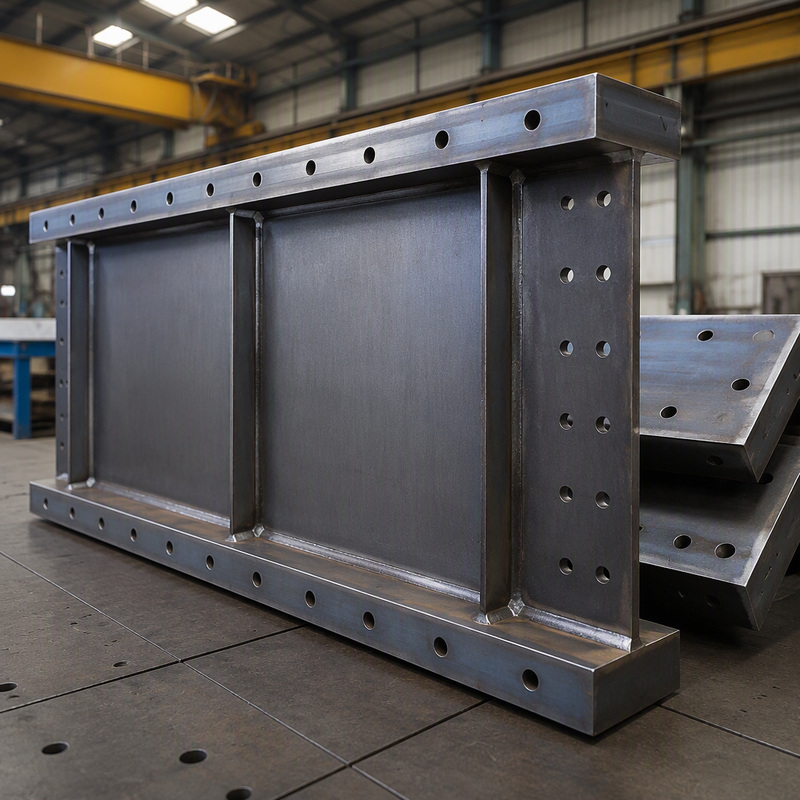
Cost Factors When Purchasing Girder Plates in Bulk
Cost considerations for girder plates extend beyond the unit price. Key factors include:
Material Costs: The type and grade of material significantly influence the overall cost. Higher-grade steel may have a higher upfront price but can result in savings over time due to enhanced performance and lower maintenance needs. For instance, opting for Laser-cut Steel Gusset Plates can enhance structural integrity.
Volume Discounts: Purchasing in bulk often allows buyers to negotiate for lower prices, but it’s essential to consider storage and handling costs if large quantities are ordered.
Manufacturing and Customization Fees: Custom dimensions or specifications can incur additional costs. Buyers should obtain detailed quotes that itemize manufacturing and customization fees.
Shipping Costs: Depending on the weight and dimensions of the girder plates, shipping costs can vary significantly. It’s advisable to factor these into the total cost and consider local suppliers to minimize shipping expenses.
Quality Assurance Costs: Engaging in quality inspections and testing may add to initial expenditures but can prevent costly issues during installation or use.