EN
Building a house using shipping containers is an innovative approach to sustainable living that has gained significant traction in recent years. This method involves repurposing large metal containers typically used for transporting goods across oceans into functional, livable spaces. B2B buyers, such as purchasing managers and engineers, may have concerns about the structural integrity, material specifications, and sourcing of these containers for residential projects. This article will guide you through essential considerations, including choosing the right container, installation guidelines, supplier options, common challenges, and the unique benefits of using shipping containers in home construction.
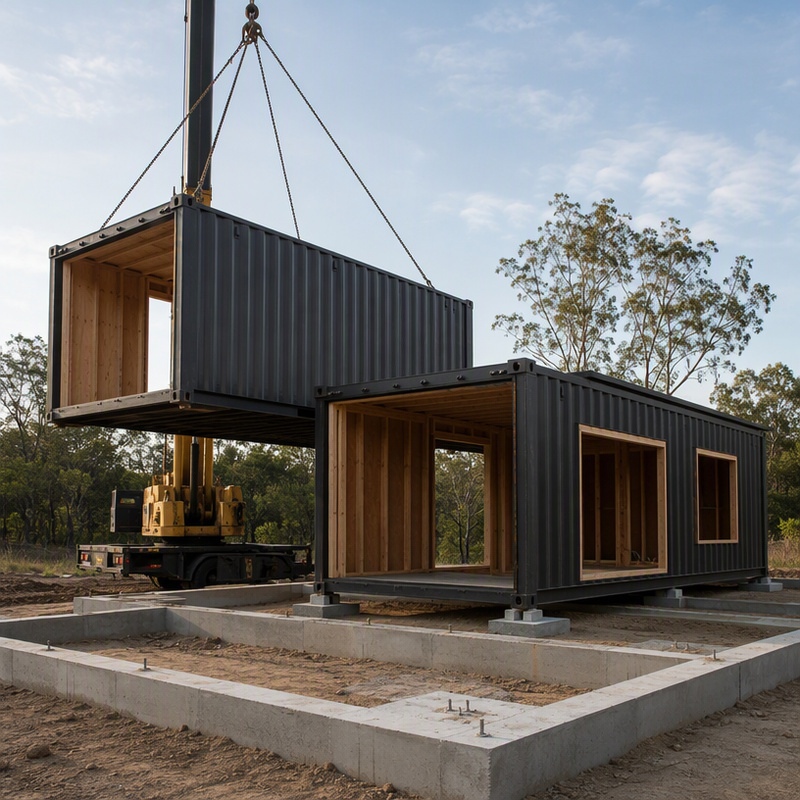
Installation Guidelines for Shipping Containers in Residential Projects
Proper installation of shipping containers is essential to ensure structural safety and longevity. Begin by preparing a suitable foundation, which should be level and capable of supporting the weight of the containers. Common foundation types include concrete slabs or piers, depending on the site’s soil conditions and local regulations.
Before placing the container, it's vital to inspect it for any damages or defects, such as rust or structural weaknesses. Once placed, containers should be securely anchored to the foundation to prevent shifting, especially in areas prone to high winds or seismic activity.
Insulation and ventilation are also crucial considerations. Containers are made of steel, which can lead to significant temperature fluctuations inside. Incorporating proper insulation materials and ventilation systems will enhance comfort and energy efficiency. It’s advisable to work with architects and builders experienced in container homes to ensure that all aspects of installation are addressed effectively.