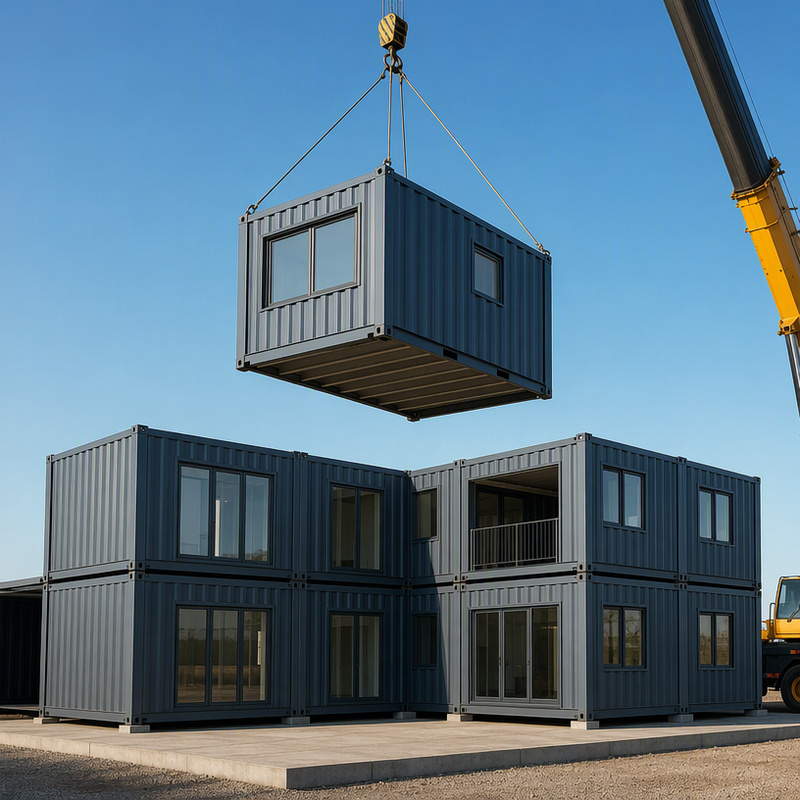
Key Specifications for Quality Building Containers

All Categories

containers building

Building containers have  become  essential  in  various  construction  projects,  satisfying the need for durable  and versatile  structures. This article will  focus on key specifications, sourcing options,  advantages, best practices, and common challenges  associated with building containers. By understanding  the intricacies  of these products,  purchasing  managers  and  engineers can make informed  decisions that align with their  project requirements.
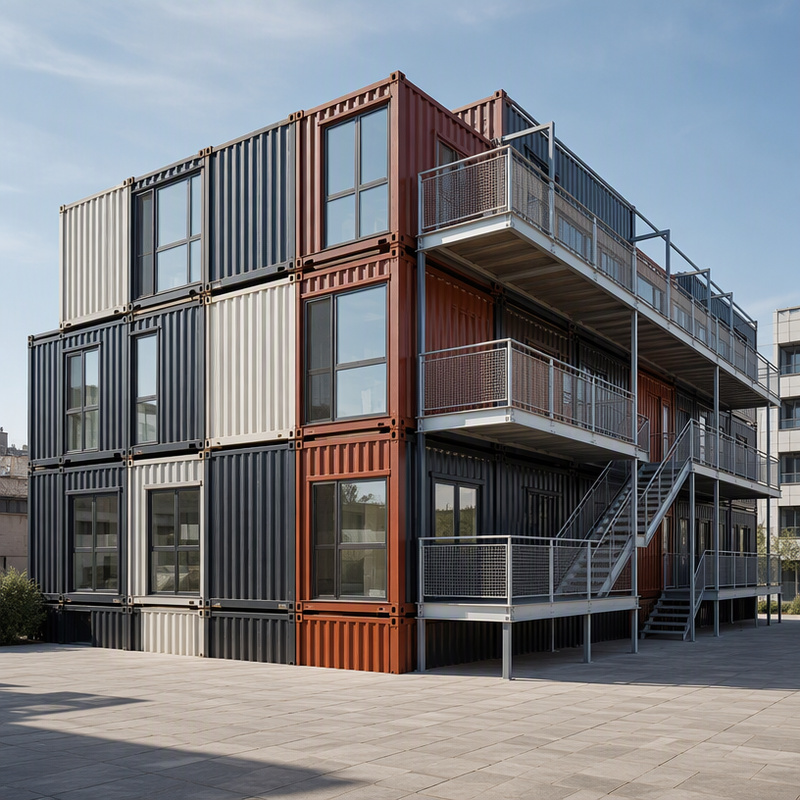
Where to Source Reliable Wholesale Containers for Construction

Where to Source Reliable Wholesale Containers for Construction

Sourcing high-quality building containers involves finding reputable suppliers known for their manufacturing capabilities and customer service. Here are some strategies to identify reliable sources:

Industry Associations: Engage with industry associations  and trade shows that focus on construction and materials.  These platforms often provide access to reputable manufacturers and suppliers.

Online Directories and  Marketplaces: Utilize online platforms that specialize in industrial equipment and materials. Websites like Alibaba, ThomasNet,  and Made-in-China can help  you discover  various manufacturers and their offerings.

Local Suppliers: Consider sourcing from  local  manufacturers, which may  reduce  shipping costs and lead times. Local suppliers can also provide personalized  service and  support.

Manufacturer Reputation: Before finalizing  a supplier, research  their  reputation within the industry.  Look for customer reviews,  case studies, and testimonials that showcase their reliability  and product quality. Additionally, exploring options for Steel Structure Buildings can provide insights into reputable suppliers.

It’s advisable to request samples or visit the manufacturing facility if possible to assess the quality of the containers  firsthand. This due diligence can lead to a more trustworthy supplier  relationship.
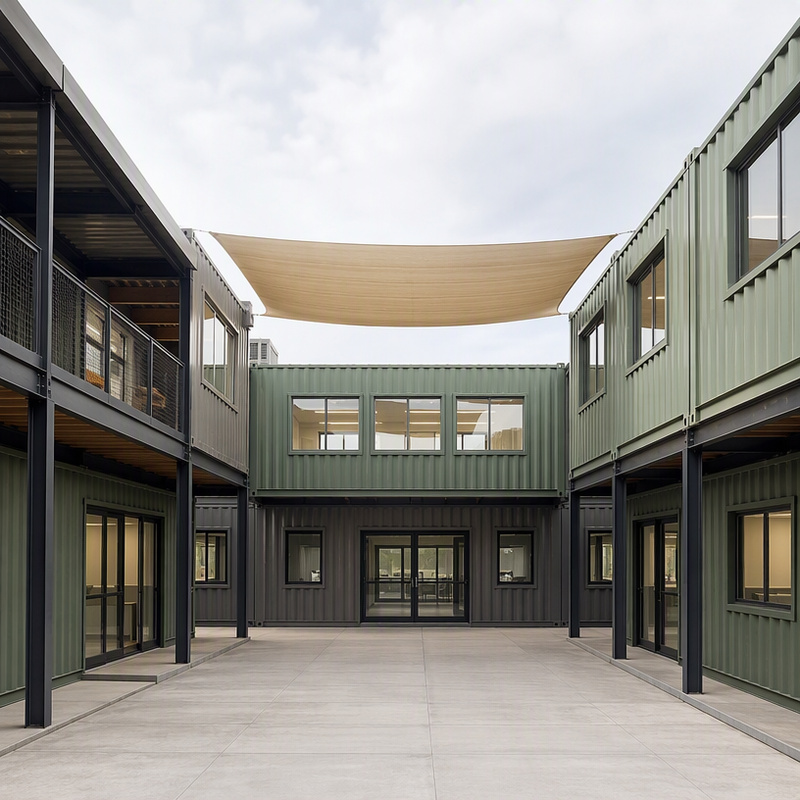
Understanding the Advantages of Steel Containers in Construction

Understanding the Advantages of Steel Containers in Construction

Steel containers offer several advantages that make them an attractive option for construction projects:

Durability: Steel is known for its strength and  resilience, making it suitable for various environmental conditions. Unlike wood or other materials, steel  does not  warp, rot, or suffer from insect infestation.

Versatility: Building containers can be easily modified  for different uses, including  storage, offices,  workshops, and even residential spaces. Their modular nature allows for creative designs and  configurations.

Cost-Effectiveness: Compared to traditional building materials, steel containers can be more cost-effective, especially considering their  longevity and low maintenance requirements. This  can lead  to reduced overall project costs, similar to the benefits offered by Commercial Steel Buildings.

Quick  Installation:  Containers can be delivered and set up quickly, allowing for faster project timelines.  This is particularly beneficial in time-sensitive construction scenarios.

Eco-Friendliness: Utilizing shipping containers for construction can be an environmentally friendly  option, as it repurposes  existing materials, reducing waste and the demand for new resources.

Understanding these advantages  can  help  purchasing managers justify their  decisions when selecting building containers for their projects.

Best Practices

Best Practices

Implementing best practices when working with building containers can  enhance their functionality and longevity. Here are some recommendations:

Conduct Thorough Inspections: Before accepting delivery, inspect  the containers for any signs of damage or rust. Ensure that they meet your specified requirements  and that  any modifications are  completed before installation.

Plan for Customization: If modifications are needed, work closely with the manufacturer to ensure that structural  integrity is maintained. Customization can include adding doors, windows, insulation, or  HVAC systems.

Ensure Proper Foundation:  Containers should be placed on a stable foundation to prevent settling or  shifting over  time. Consider using concrete  blocks or a  prepared gravel base for  optimal  support.

Regular Maintenance: Schedule periodic inspections  and maintenance to address any wear and tear, especially focusing on rust prevention and sealing. This will prolong the life of the containers and ensure their continued  usability.

By  following these best practices, buyers can maximize the value  and effectiveness of their building  containers.

Common Problems with Containers and Effective Solutions

Purchasing and using building containers can present challenges. Here are some  common issues and  their solutions:

Rust and Corrosion: Exposure to moisture can lead  to rust, particularly in areas where scratches or dents compromise protective coatings. To combat this, ensure that containers are properly sealed and consider applying anti-corrosion treatments.

Structural Weakness: Modifications that compromise the container’s integrity  can lead to structural issues. Always consult with a  structural engineer before making  significant alterations, and use appropriate  reinforcement methods if necessary.

Poor Insulation: Containers are  not naturally insulated, which can affect temperature control in extreme climates. Adding insulation, such as spray foam or  rigid panels, can improve energy efficiency  and comfort.

Inadequate Ventilation: Containers  can trap heat and moisture if not properly ventilated. Install vents or HVAC systems to facilitate airflow and prevent condensation buildup.

By  recognizing these common problems and their solutions, buyers can proactively  address  issues that may  arise during  the use of building containers.

In summary,  understanding building containers' specifications, sourcing strategies,  advantages, best practices, and potential issues can empower B2B  buyers to  make informed purchasing decisions that align with their construction needs.

Key Specifications to Look for in Quality Building Containers

When evaluating building containers, several specifications should be considered to ensure they meet your project needs. These include:

Material Composition: Containers are typically made from high-strength steel, which provides durability and resistance to environmental factors. The material's  thickness is crucial; gauges generally  range from 14 to 18, with thicker materials offering better  strength  and  longevity.

Dimensions: Standard sizes for shipping containers  include 20-foot and 40-foot lengths, but custom sizes may be  available.  The interior dimensions should be assessed to ensure they accommodate the intended use, whether for storage,  living quarters, or as  part of a modular structure.

Load Capacity: Understanding the maximum load capacity is essential, particularly for containers  used in structural applications. Overloading can compromise the integrity of the container, leading to safety hazards.

Structural Design: Evaluate the container's design features, such as corner posts, side  rails, and roof supports. These elements contribute to the  overall stability  and usability of the container in various applications.

Sealing and  Weather Resistance: Containers should have effective sealing mechanisms to  prevent water ingress, pests, and other  environmental issues. Look for  quality coatings that enhance rust resistance and  longevity.

By focusing on these key specifications, buyers can ensure that their building containers are suitable for their intended applications and meet necessary regulatory standards.

Frequently Asked Questions

What types of containers do you manufacture?

We produce modular steel containers including office, storage, living and customized units built from light steel frames, color steel plates and composite panels suitable for various engineering uses.
Yes. We offer custom sizes, layouts, insulation, doors, windows, and fittings using CNC-cut H sections, beams and color steel profiled plates to meet site requirements.
Containers use galvanized H section steel, box columns, steel trusses, color steel profiled plates and composite plates produced on advanced lines to ensure strength, corrosion resistance and construction standards.
Lead time depends on quantity and customization; typical production ranges from 7–30 days. Large orders may require longer scheduling; contact sales with project details for exact timing.
Yes. We offer factory assembly, on-site installation guidance, technical drawings and after-sales support for maintenance, spare parts and warranty issues.

Get a Free Quote

Our representative will contact you soon.
Email
Name
Company Name
Message
0/1000

Related product categories

Get a Free Quote

Our representative will contact you soon.
Email
Name
Company Name
Message
0/1000