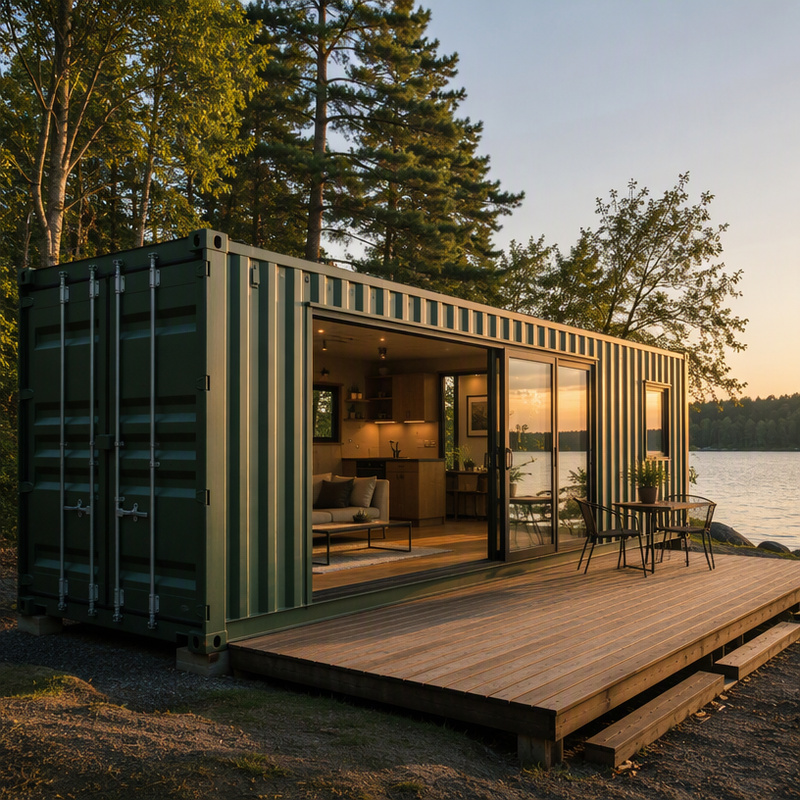
Key Specifications of Container Built Homes

All Categories

container built homes

Container  built homes are an  innovative solution  in  modern construction, utilizing repurposed  shipping containers to create durable, efficient living spaces. As B2B  buyers, purchasing managers, and project engineers  explore  this  option, they often have  concerns  regarding quality,  cost  factors, and  installation processes. This article will provide detailed  insights into the  specifications,  advantages, and  considerations involved in selecting  container built homes, helping  you make informed purchasing decisions.
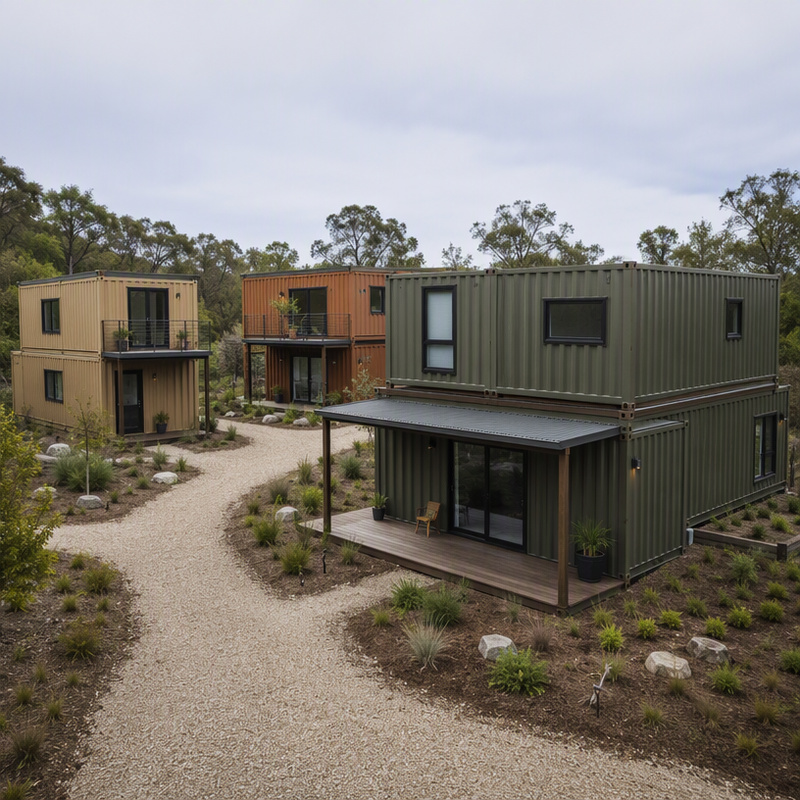
What to Look For

What to Look For

When sourcing  container built homes, buyers should prioritize several  factors to ensure they select the  best option for their needs. Start by verifying the manufacturer's experience  and capabilities. A company like Shenyang Haibo Weiye Light Steel Color Plate Co., Ltd, with advanced production  lines and a  focus on quality, offers a reliable foundation for your project.


Next, assess customization options. Container homes  can be tailored to meet specific requirements, including layout, finishes,  and additional features like windows,  doors,  and plumbing systems. Discuss  your project needs with the supplier to explore available custom solutions.

It's also crucial to inquire about warranties and  after-sales support. A  quality supplier will provide  clear warranty terms that cover structural  integrity and workmanship.  This support can be invaluable for addressing any post-installation concerns.

Lastly, consider the supplier's ability  to provide samples or references from  previous projects. This can offer insights  into their work quality and customer satisfaction levels, helping you gauge their reliability.
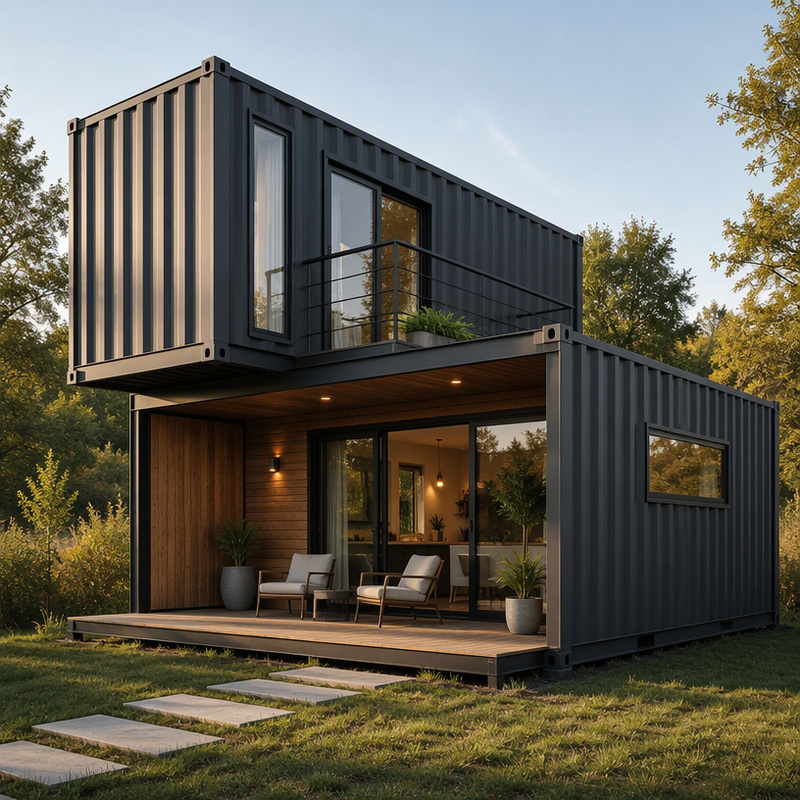
Cost Factors Affecting Container Built Homes Supply

Cost Factors Affecting Container Built Homes Supply

Understanding the cost structure of container built homes  is essential for  budgeting effectively.  Key factors influencing pricing include the size and  condition of the container, customization  options, and the complexity of the design.

Larger containers naturally  incur higher costs,  and  those in excellent condition may command a premium. Custom features such as enhanced insulation,  specialized finishes, and additional structural reinforcements will also contribute to the overall price. Buyers should obtain detailed quotes that break down costs for materials, labor,  and any additional  services.


Another significant consideration is transportation. The cost of  delivering containers to the construction site  can vary  based on distance and logistics. It's advisable to clarify shipping terms and potential fees upfront to avoid unexpected expenses.

Finally, project timelines can  affect  costs. Delays in production or installation may lead to increased labor costs and site  management fees. Establishing a clear timeline  with your supplier can help mitigate these risks and ensure timely  project completion.

Installation Guidance for Container Built Homes Projects

Installation Guidance for Container Built Homes Projects

Proper installation is crucial for the  longevity and  functionality  of container built homes. Begin with a thorough  site assessment to ensure the ground  can support the weight of the containers. A level foundation is essential for stability and can be achieved using concrete slabs or piers, depending  on local conditions and regulations.

During installation, attention to detail is vital. Ensure that containers are properly aligned and secured, with adequate drainage systems in place to  prevent water accumulation.  It may be  beneficial  to hire professionals experienced in container  home installations to navigate  any potential challenges.

Additionally, consider utility connections for water, electricity, and sewage. These  connections can be complex, especially if your design includes multiple containers or custom layouts. Collaborate  with licensed  contractors to ensure compliance with local building codes.


Finally, once the installation is complete, conduct  a thorough inspection to verify that  all structural elements meet  your specifications and safety standards. This step is critical in  identifying any issues that might compromise the integrity of the building.

Material Advantages of Using Container Built Homes in Construction

Container built homes offer  numerous material  advantages  that make them  an attractive option for construction  projects. Firstly, the primary material, corten steel, is highly resilient, providing excellent  protection against various environmental factors, including moisture, wind, and pests. This resilience translates to a longer lifespan compared to traditional building materials.

Moreover, the use of repurposed shipping containers contributes to sustainability efforts in construction. By reusing materials, builders can  reduce waste and minimize their environmental footprint. Additionally, container homes can be designed for energy efficiency, utilizing insulation materials that enhance thermal performance and reduce energy consumption.

Another advantage  is the speed of construction. Container homes can be assembled much more quickly than conventional  structures, often  requiring less time for permits and inspections.  This efficiency can lead to cost savings and  quicker occupancy for end-users.

Finally, the modular nature of container homes allows  for flexible designs. They  can be easily modified or expanded based on the user's needs, making them  suitable for various applications,  from temporary housing to permanent residences.


By understanding  these specifications, considerations, and  advantages, B2B buyers can  make informed decisions about container built homes, tailoring solutions to meet their project requirements effectively. For further options, consider looking into Commercial Steel Buildings that may suit different project scales.

Key Specifications for High-Quality Container Built Homes

When evaluating container built homes, several key specifications are essential for ensuring durability and functionality. First, consider the structural integrity of the container itself. The most common material  is corten steel,  known for its weather resistance and strength.  Buyers  should check the thickness of the container walls, which typically  ranges  from 1.5  to  2.5 mm. Thicker walls provide better insulation  and durability against environmental stressors.

Furthermore, dimensions play a critical role. Standard shipping containers are available in lengths of 20 and 40 feet,  with heights of 8.5 feet or 9.5 feet for  high-cube  options. It's vital to assess the container's condition, ensuring it has no structural damage or rust that  could impact longevity.

Another important aspect is insulation. Proper insulation materials can significantly affect energy efficiency, which is crucial for maintaining  comfortable  indoor temperatures and minimizing  heating and cooling costs. Check for the R-value of insulation used; higher values indicate better thermal performance.

Lastly, ensure that the containers are certified for structural use. Look  for compliance with local building codes and standards, which may vary depending  on your region. This certification  can provide reassurance regarding safety and usability. For those interested in different types of buildings, you might want to explore Steel Structure Buildings as an alternative.


Frequently Asked Questions

What is a container built home?

A container built home uses modified shipping containers as structural modules, combined with steel components and insulated panels to create durable, quick-to-assemble residential units.
We use high-strength H-section steel, box columns, beams, steel trusses, composite plates and color steel profiled plates with insulation and purlins as needed.
Yes. We provide custom design and production to meet varied layouts, sizes and engineering requirements using CNC and welding equipment for precision.
Lead times vary by order size and customization, but our large-scale production capacity allows for competitive delivery schedules; contact us with project details for an accurate timeline.
Yes. With proper insulation, composite panels and structural steel design, container homes can be adapted for diverse climates and engineering scenarios common in Northeast China and beyond.

Get a Free Quote

Our representative will contact you soon.
Email
Name
Company Name
Message
0/1000

Related product categories

Get a Free Quote

Our representative will contact you soon.
Email
Name
Company Name
Message
0/1000