EN
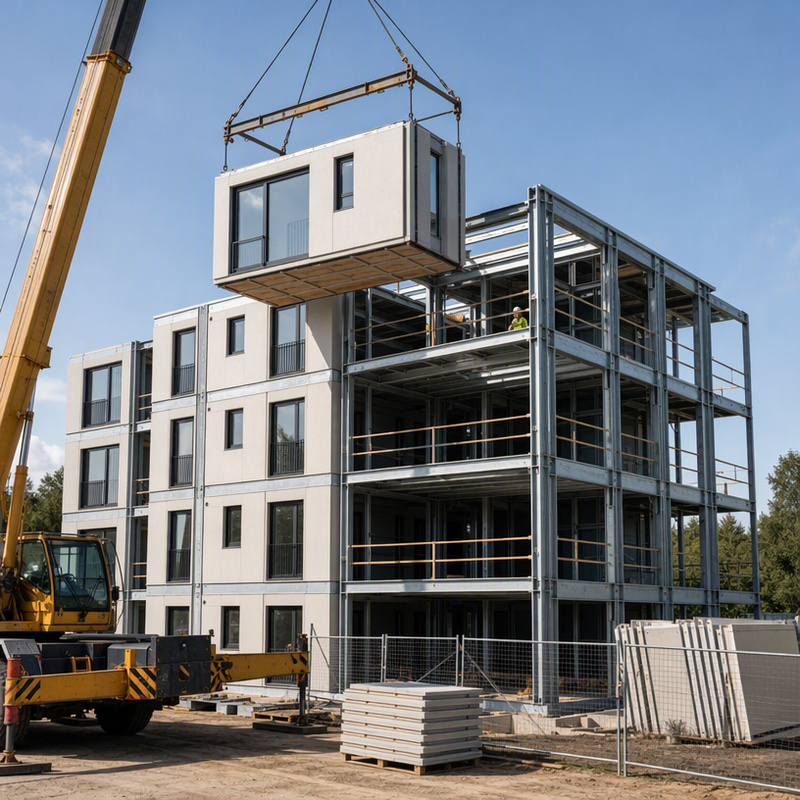
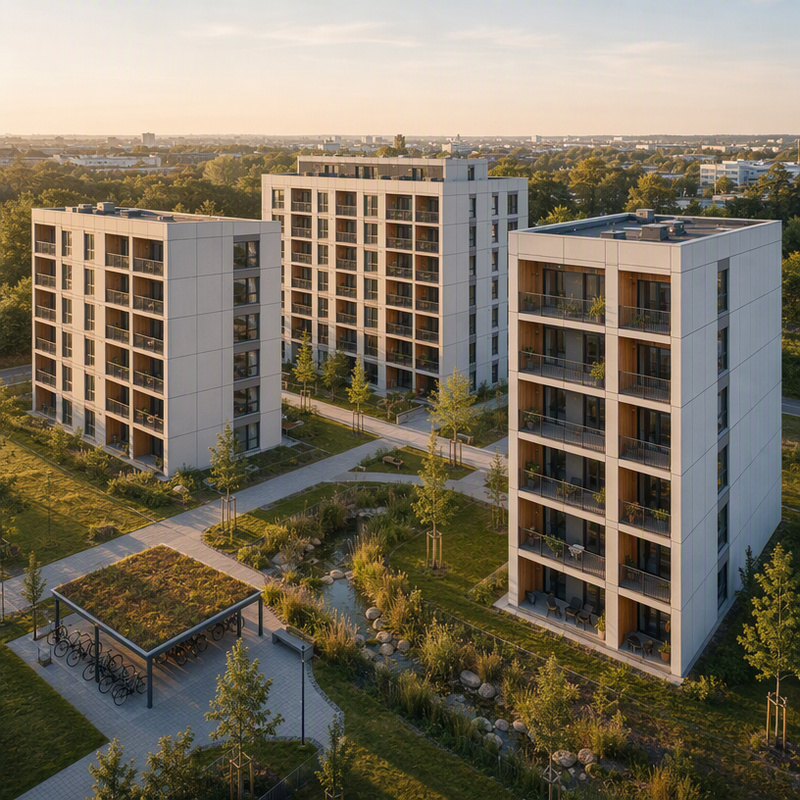
Prefabricated apartment buildings are an innovative construction solution that streamline the building process, reduce costs, and minimize waste. For B2B buyers, such as purchasing managers and project developers, the choice of prefabricated structures raises important concerns about material quality, manufacturing capabilities, and overall suitability for specific projects. This article will provide valuable insights into what to consider when selecting prefabricated apartment buildings, compare specifications and features, explore quality control measures, effective sourcing strategies, and highlight the key material advantages of this construction method.
Comparing Prefabricated Apartment Building Specifications and Features
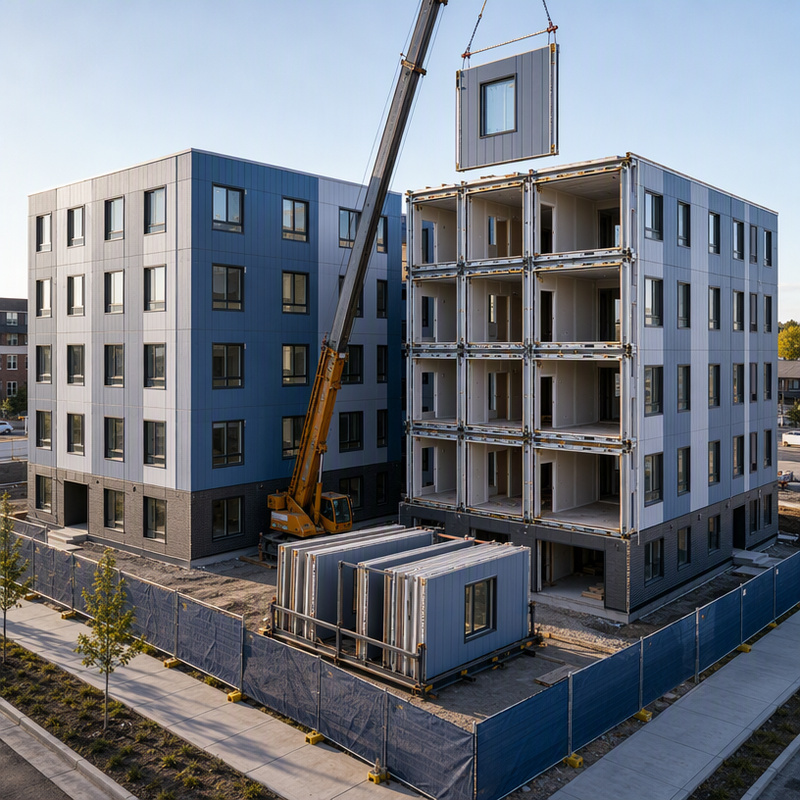
Specifications for prefabricated apartment buildings can vary greatly among suppliers, making it essential to compare features before making a decision. Key specifications to consider include:
Structural Design: Look for H section steel and box columns, which offer superior strength and stability. The design should also facilitate easy assembly and disassembly. Dimensions and Layout: Evaluate the modular dimensions that can accommodate various layouts. This flexibility is crucial for optimizing space usage. Insulation and Energy Efficiency: Check the insulation values of different materials, as they directly affect heating and cooling costs. Energy-efficient buildings can lead to reduced operational expenses over time. Fire Safety Standards: Ensure the buildings comply with local fire safety regulations. Materials should be fire-resistant, and design features like fire breaks should be included. Environmental Impact: Consider eco-friendly materials and practices that reduce the carbon footprint of the construction process.By comparing these specifications, buyers can determine which prefabricated apartment buildings align best with their project goals.