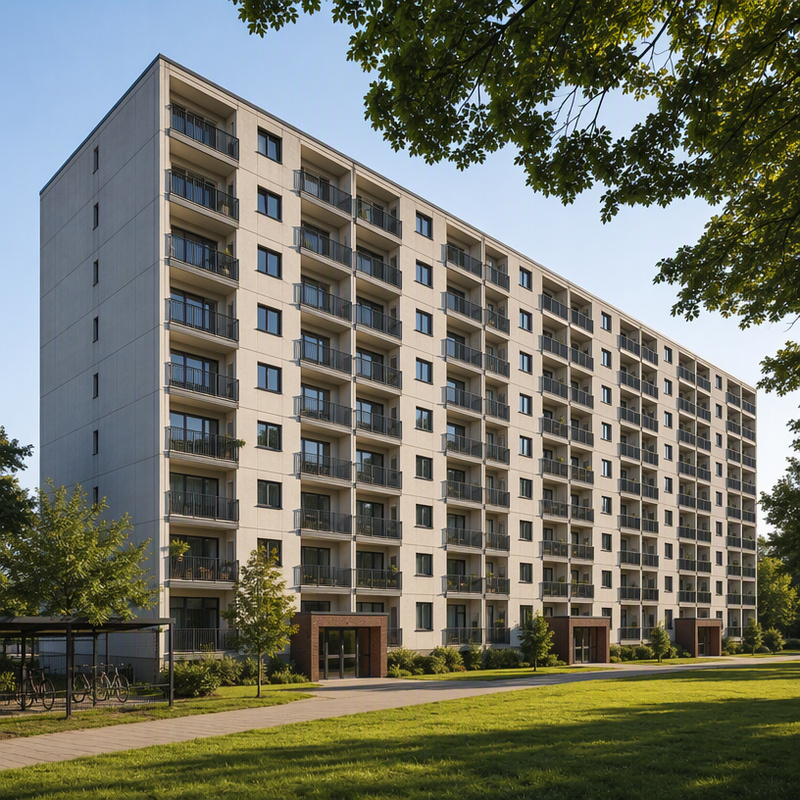
Choosing Steel Structures for Apartment Blocks

All Categories

apartment block

Understanding the  structure  and materials used in  apartment block  construction is  essential for ensuring safety, durability, and cost-effectiveness.  Steel structures play a pivotal role  in this process, providing  the strength and stability required for multi-story buildings.  This article aims  to  guide  B2B  buyers—such as purchasing  managers, engineers, and project managers—through vital  considerations when selecting steel  structures for apartment blocks, ensuring informed decisions that meet both  budgetary  and  performance  requirements.
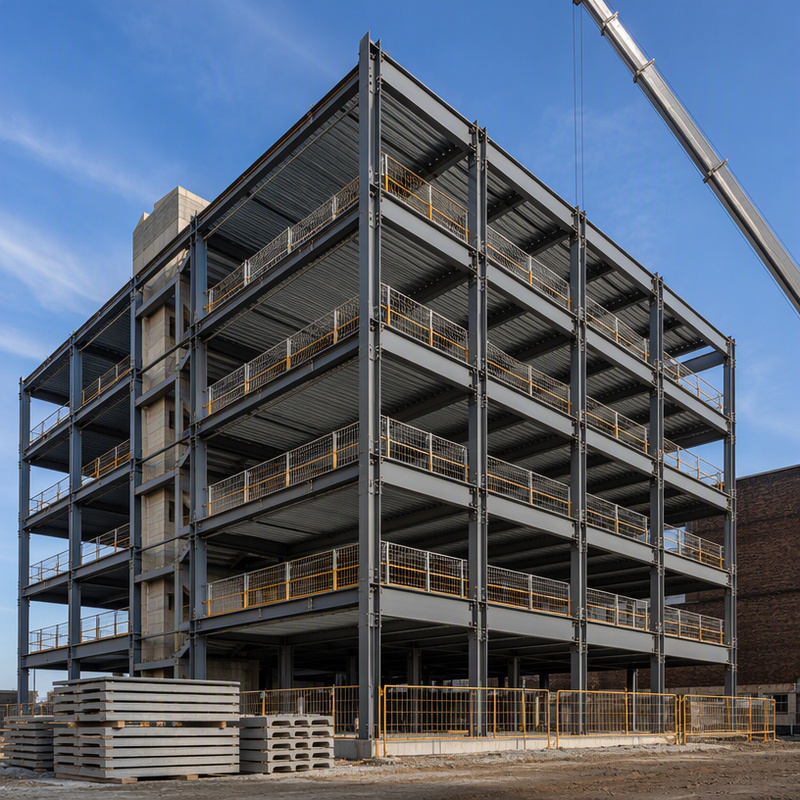
Reliable Suppliers for Apartment Block Construction

Reliable Suppliers for Apartment Block Construction

Finding reliable suppliers for  the construction of apartment  blocks is crucial. Here are practical steps to evaluate  potential partners:

Manufacturing Capabilities: Verify that  the supplier has  advanced production lines and equipment, such as  CNC machinery and welding support. This  ensures precision  in manufacturing steel components like beams and trusses.

Experience and Expertise: Look for suppliers with a solid track record in producing steel  structures for residential buildings. Experience can translate to  better advice on material selection and design compatibility.

Quality Control Processes: Ensure the supplier adheres to rigorous  quality control standards, including material testing and inspection  of finished products. This minimizes the risk of defects and ensures compliance with  safety standards.

Export Markets and Certifications: Suppliers with experience  in international markets often have to  meet  higher standards, which can be a quality indicator. Check for relevant certifications that demonstrate compliance with industry benchmarks.

By thoroughly assessing suppliers based  on these criteria, buyers  can mitigate risks associated with material quality and delivery timelines.
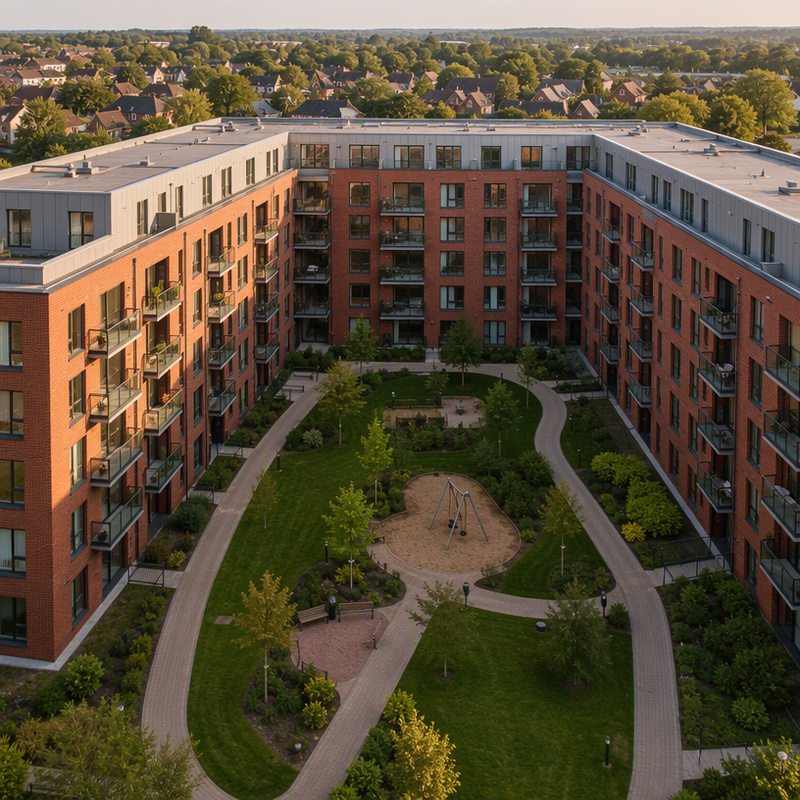
Understanding Specifications for Steel Trusses in Apartment Blocks

Understanding Specifications for Steel Trusses in Apartment Blocks

Steel trusses are  a critical component in the structural design of apartment blocks. Understanding their specifications  is essential for ensuring proper application:

Material  Specifications: Trusses  typically use  high-strength steel to provide  the necessary  load-bearing capacity. Common grades include S235, S275, and S355, each with varying yield  strengths that affect performance.

Dimensions and Spacing: The  span and spacing of trusses depend on the design and  intended load.  Standard spacing  for  residential applications is often between 24 to 36 inches, but this may vary based on specific project requirements.

Connection Types: Trusses can  be connected using various methods, including welded or bolted joints. The choice of connection affects  installation ease and structural integrity.

Design Considerations: Buyers should also consider the overall design, including whether to use a Warren, Pratt,  or Howe truss configuration, as this impacts both  aesthetics and functionality. Understanding these specifications helps  ensure that the selected trusses will effectively support the apartment  block’s design  while meeting safety standards.

Cost Factors to Consider When Purchasing Steel for Apartment Projects

Cost Factors to Consider When Purchasing Steel for Apartment Projects

Cost considerations are vital when  purchasing steel for apartment block construction. Here are the primary factors influencing overall expenses:

Material Costs: The price of  steel fluctuates based on market  conditions. Buyers should stay informed about current steel prices and consider bulk purchasing to reduce costs.

Fabrication and Transportation: Costs  can increase based on the complexity of the steel  structures and the distances involved in transportation. Evaluate the total landed cost, including shipping  and handling, to avoid budget overruns.

Customization and Design: Custom-designed steel  components often come with higher costs  due to additional engineering and fabrication time. Buyers should weigh the  benefits of  customization against  the added expenses, especially when considering unique designs for Commercial Steel Buildings.

Installation Requirements: The complexity of the installation  process can  also affect costs. Ensure  that the project  budget accounts for labor and any specialized equipment needed for  installation.

By considering these factors, buyers  can  develop a more accurate budget and ensure that the project remains financially viable.

Common Problems in Apartment Construction and Effective Solutions

Apartment construction can present various challenges, particularly when it comes to using steel structures. Here are some common issues and their solutions:

Material Deficiencies: Defects in steel components can  lead to structural problems. Buyers should  insist on samples and conduct thorough inspections  before finalizing production. Testing for compliance  with specifications ensures that any defects are caught  early.

Misalignment during Installation: Inaccurate measurements can lead to misalignment of steel structures, which may compromise the integrity of the  building. Employing experienced installers and ensuring precise measurements during the design phase is essential.

Corrosion and Weathering: Exposure  to the elements can lead to corrosion, particularly in coastal areas. Using galvanized  or coated steel can  provide additional protection  against environmental  factors.

Budget Overruns: Projects can exceed budgets due to  unexpected  costs. Implementing  a rigorous  budgeting  process that includes  contingencies for material price fluctuations and unforeseen delays helps mitigate this risk.

By anticipating these common  problems and implementing effective solutions, buyers can enhance the likelihood  of successful and timely apartment block construction.

How to Choose the Right Steel Structures for Apartment Blocks

Selecting the appropriate steel structures for apartment blocks  involves understanding the specific requirements of  the project. Key considerations include:

Load-Bearing Capacity: Assess  the expected loads, including live loads (residents, furniture) and dead loads (building materials). Steel grades and  section  types  (H beams, box columns) should be chosen based on these factors.

Building Height and Design: Taller buildings may require specialized steel structures, like steel  trusses, which can  distribute loads  more evenly. The design should  also complement local building codes and regulations.

Environmental  Conditions: Consider  factors such as seismic activity, wind loads, and corrosion resistance. For instance, structures in coastal  areas may need treated steel to resist corrosion from saltwater.

Customization Needs: Depending on the design, specific shapes or sizes may be necessary. Work with a supplier  that offers  customization options to meet  unique architectural requirements, including those for Steel Structure Buildings.

By addressing  these factors, buyers can ensure that the  selected steel structures will meet the  structural integrity  and safety requirements of the apartment blocks.

Frequently Asked Questions

What apartment block products do you supply?

We supply steel-structured apartment block components including H section beams, box columns, steel trusses, composite floors, purlins and color steel profiled plates for full building assemblies.
Yes. We integrate design, production and sales to provide tailored structural designs and fabrication per project requirements and local codes.
Advanced steel structure lines, CNC, welding equipment and high annual output enable efficient production for large-scale apartment block projects.
We offer technical guidance, installation drawings and on-site consultation to support construction teams throughout erection and assembly.
We ensure quality via standardized production, inspections and controlled workflows, and coordinate logistics to meet project timelines and material specifications.

Get a Free Quote

Our representative will contact you soon.
Email
Name
Company Name
Message
0/1000

Related product categories

Get a Free Quote

Our representative will contact you soon.
Email
Name
Company Name
Message
0/1000