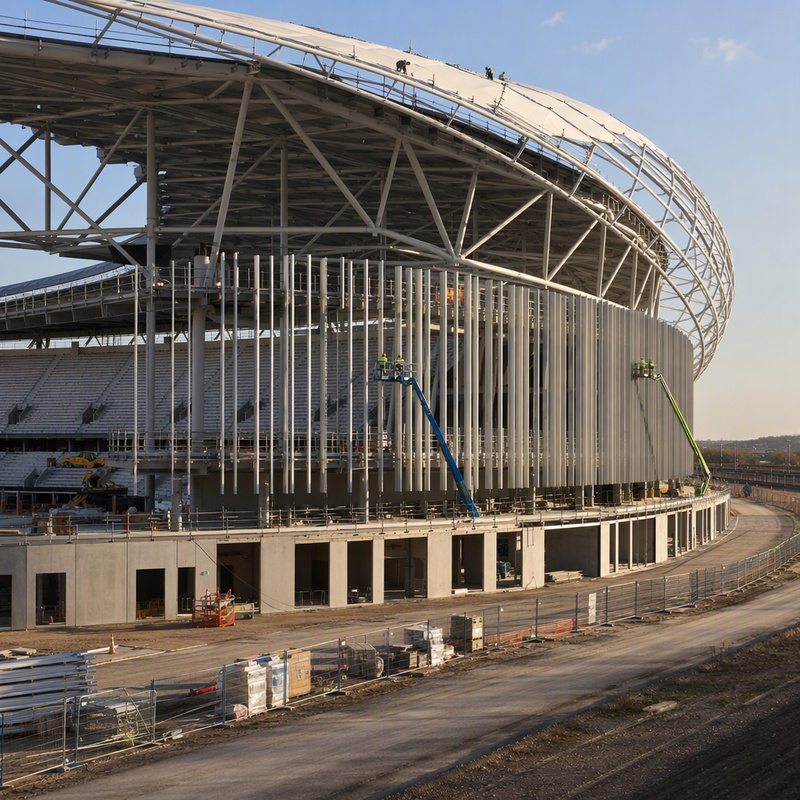
Steel Solutions for New Stadium Construction

All Categories

new stadium construction

In the realm  of new stadium construction, the selection of high-quality  steel  structures  is vital to ensure safety, durability, and functionality. As  a key player in the steel  manufacturing  industry, Shenyang Haibo Weiye  Light  Steel Color  Plate  Co.,  Ltd  specializes in providing  a  diverse range  of  steel products, including H-section steel,  box columns, and steel trusses. This article  will guide B2B buyers—such as purchasing managers, engineers, and project managers—through critical considerations  in evaluating steel products for stadium projects, helping them make informed decisions that align with their project requirements.
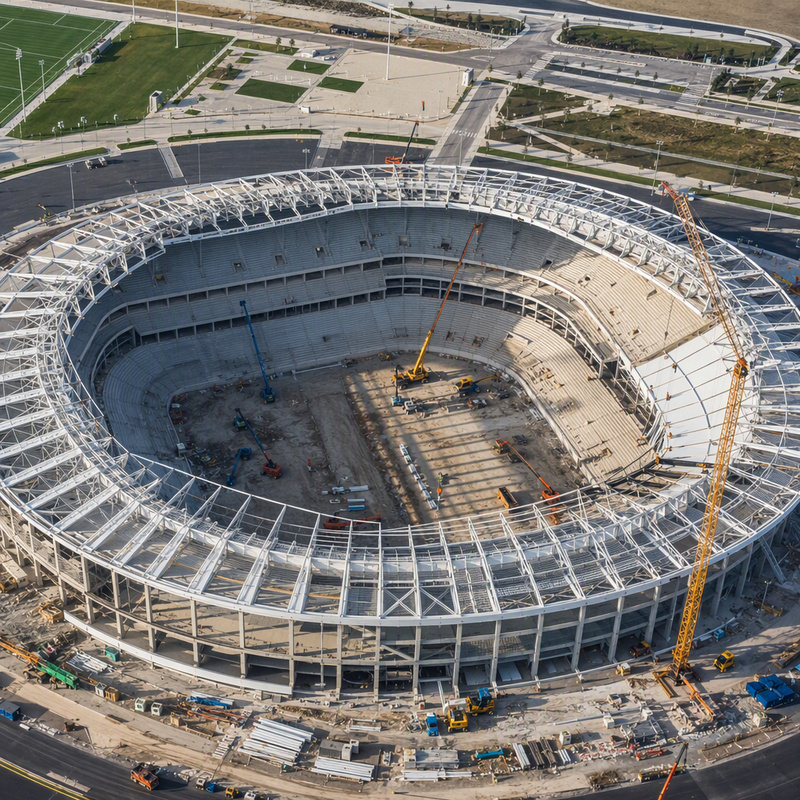
Key Specifications for Steel Structures in Stadium Projects

Key Specifications for Steel Structures in Stadium Projects

Understanding the  key specifications  of steel structures is crucial for successful stadium construction. Common specifications include:

Material  Grade: The grade of steel affects  its strength and durability. For example, structural steel grades like S235, S275, or S355 are commonly used  in construction applications.  Dimensions: Accurate  dimensions are essential for compatibility  with design plans. Buyers should verify that the dimensions of the steel products align with their project  specifications  to  avoid costly modifications during installation.  Coating Options:  Protective coatings, such as galvanization or painting, can enhance corrosion resistance. This is particularly important in environments exposed to moisture or harsh weather conditions. Load-Bearing Capacity: The selected steel structures must meet  specific load requirements  based  on the stadium’s design and expected usage. Consulting with structural engineers can help determine the appropriate specifications.

Properly evaluating these specifications ensures  that  the steel components not only meet aesthetic preferences but also provide  the necessary strength and longevity for stadium construction.
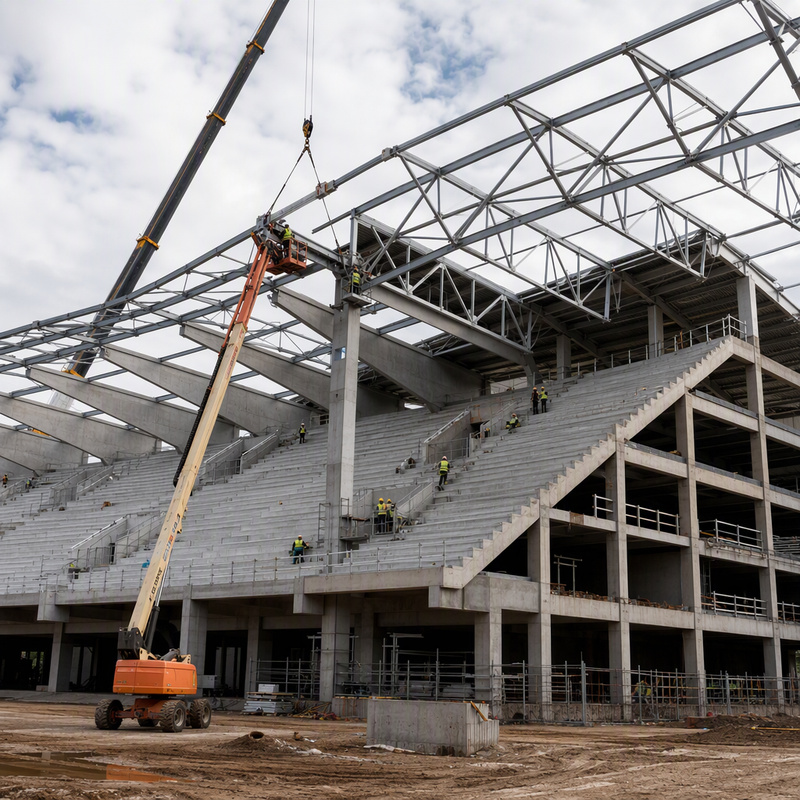
 
Cost Factors to Consider When Purchasing Steel for Stadiums

Cost Factors to Consider When Purchasing Steel for Stadiums

Cost is a significant factor in  any construction project, and steel procurement is no exception. Buyers  should consider the following  cost  factors:

Material Costs: Fluctuations in raw  material prices can  significantly impact steel costs. Buyers should stay informed  about market trends and consider long-term contracts with suppliers  to lock in  prices. Transportation and Delivery Costs: Depending on the location  of the steel manufacturer and the  stadium site, transportation costs can vary. Evaluating delivery  options and associated costs can help optimize the overall budget. Customization and Fabrication Costs: Custom steel components  may incur additional fabrication  costs. Buyers should assess whether standard products can fulfill their needs to minimize  expenses. Lead Times: Longer lead times can delay  project timelines  and incur additional costs. Buyers should discuss expected lead times with suppliers, considering factors  like production capacity and scheduling.

By carefully evaluating these cost factors, buyers can make more informed  financial decisions that  align with their project budgets.

Installation Guidance for Steel Components in Stadium Construction

Installation Guidance for Steel Components in Stadium Construction

Successful  installation of steel components is critical to the overall integrity of stadium structures. Here are  some installation guidelines to consider:

Pre-Installation Checks: Before installation, conduct thorough inspections of the steel components to ensure they  meet  specifications and quality standards. This includes checking  for surface defects, dimensions, and protective coatings. Proper  Handling:  Steel components should be handled with care to avoid  damage. Use appropriate lifting equipment and follow safety guidelines to  prevent accidents during transportation to the site. Alignment and Fit: During installation,  ensure that all steel components are properly aligned  and fitted  according to the design specifications. This is  essential for maintaining structural integrity and  preventing issues during the assembly process. Welding and Bolting: Skilled labor should perform welding and bolting to  ensure  strong connections  between elements. Pay  attention to the specifications for weld sizes and bolt grades to meet structural  requirements.

By following these installation guidelines, buyers  can help ensure a smooth and efficient construction process.

Applications of Steel Structures in Modern Stadium Design and Build

Steel structures play  a  critical role in modern stadium design and construction, providing  versatility and strength. Common applications include:

Structural Frames: Steel frames are often used to create the main support structure of the stadium, allowing for large open spaces and flexible design options. Roof  Systems: Steel trusses are frequently employed in the design of stadium roofs, offering  lightweight solutions that can support heavy loads  while enhancing aesthetic appeal. Seating Areas: Steel components can be used to create robust seating structures,  ensuring durability and safety for spectators.  Facade Elements: Steel can also  be utilized in facade designs, allowing for innovative architectural features that enhance  the visual  impact of the stadium.

Incorporating steel structures into  stadium design not  only meets structural  requirements  but also opens up opportunities for creative  and functional architectural solutions, such as the Prefabricated Steel Structure Car Showroom Building Modern Retail Display Hall.


By understanding these key  aspects  of  steel procurement and construction, B2B buyers can make informed decisions that contribute to the successful completion of new stadium projects.

Evaluating Quality Standards in Steel Products for New Stadiums

When selecting steel for new stadium construction, quality standards are paramount. Buyers should look for products  that comply with relevant international and local standards, such  as ASTM (American  Society for  Testing and Materials) or EN (European Norms). Key aspects include  yield strength, tensile  strength, and ductility,  which affect the steel's performance under  load and its ability to withstand environmental factors.

Another  important consideration  is the presence  of certifications  that demonstrate compliance with quality management systems, like  ISO 9001.  These  certifications indicate that the manufacturer has established effective quality control  processes, ensuring consistent product quality. Buyers  should also inquire about the manufacturer's testing procedures, which may include non-destructive testing methods to identify any internal  flaws that could compromise the structural integrity of the  steel  components. For instance, the Laser-cut Steel Gusset Plate Connection Plate Fabrication is an essential process for ensuring that steel components meet required specifications.

Frequently Asked Questions

What services do you provide for new stadium construction?

We offer design, production and supply of steel structures including H sections, box columns, beams, trusses, composite and color steel plates, plus installation support for full stadium projects.
Yes. As a major Northeast China processor with advanced production lines and high annual output, we handle large and complex stadium engineering demands.
We supply H section steel, box columns, beams, steel trusses, bridges, composite plates, color profiled plates and various purlins tailored to stadium needs.
Yes. We integrate design and CNC-supported fabrication to produce customized sections, connections and welded components to meet project specifications.
We use advanced production lines, CNC and welding equipment, strict quality control and scalable output to meet schedules and engineering quality standards.

Get a Free Quote

Our representative will contact you soon.
Email
Name
Company Name
Message
0/1000

Related product categories

Get a Free Quote

Our representative will contact you soon.
Email
Name
Company Name
Message
0/1000