EN
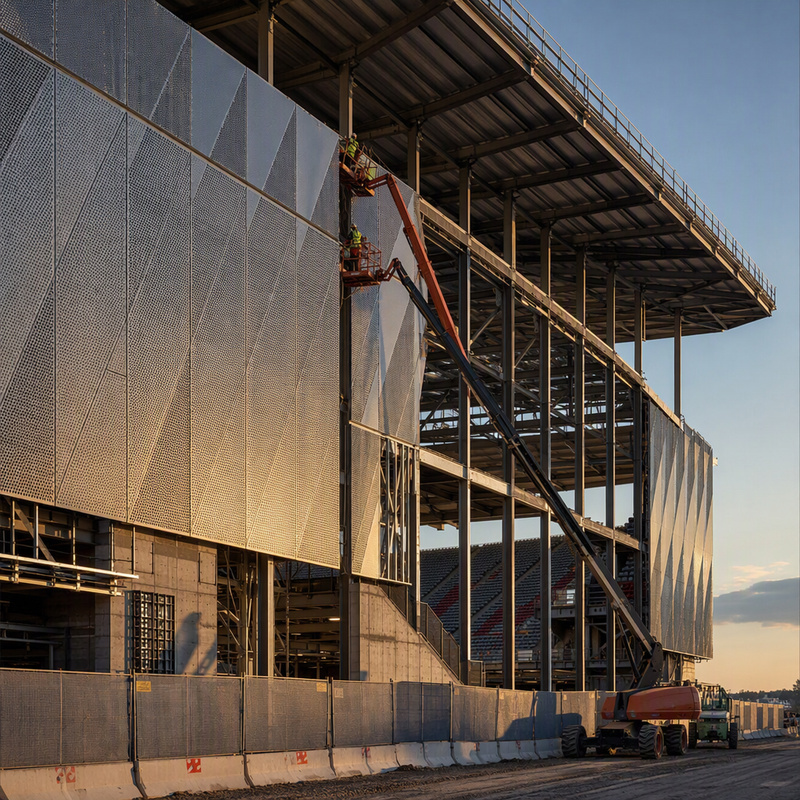
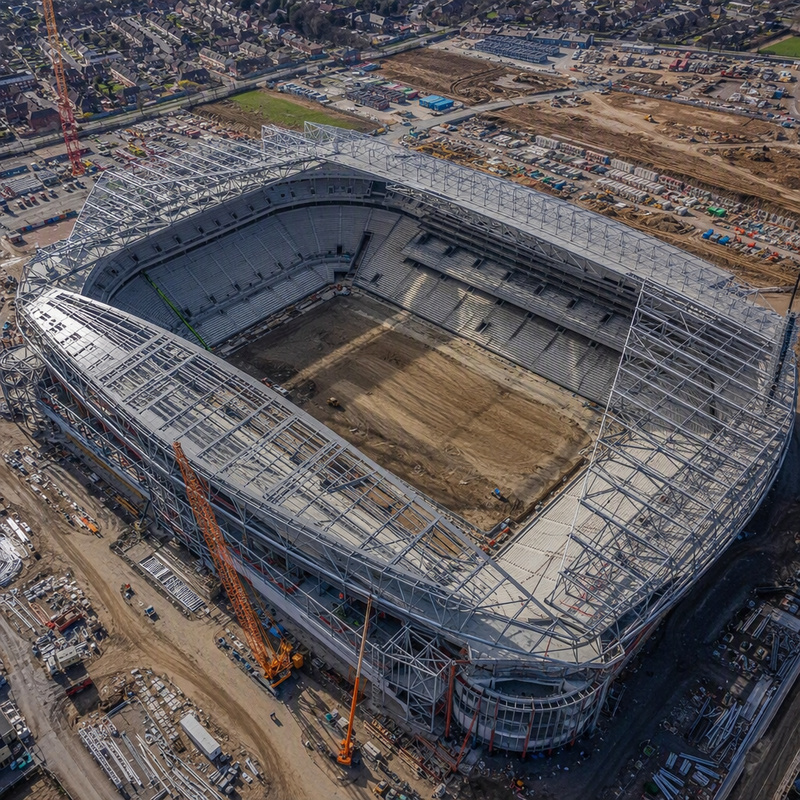
Football stadium construction requires meticulous planning, particularly in selecting the appropriate materials. Steel plays a pivotal role in the structural integrity and longevity of stadiums. Buyers, including purchasing managers and engineers, must evaluate various factors such as material quality, cost, and installation processes. This article will delve into critical considerations for football stadium construction, focusing on the use of steel and offering actionable insights for B2B buyers.
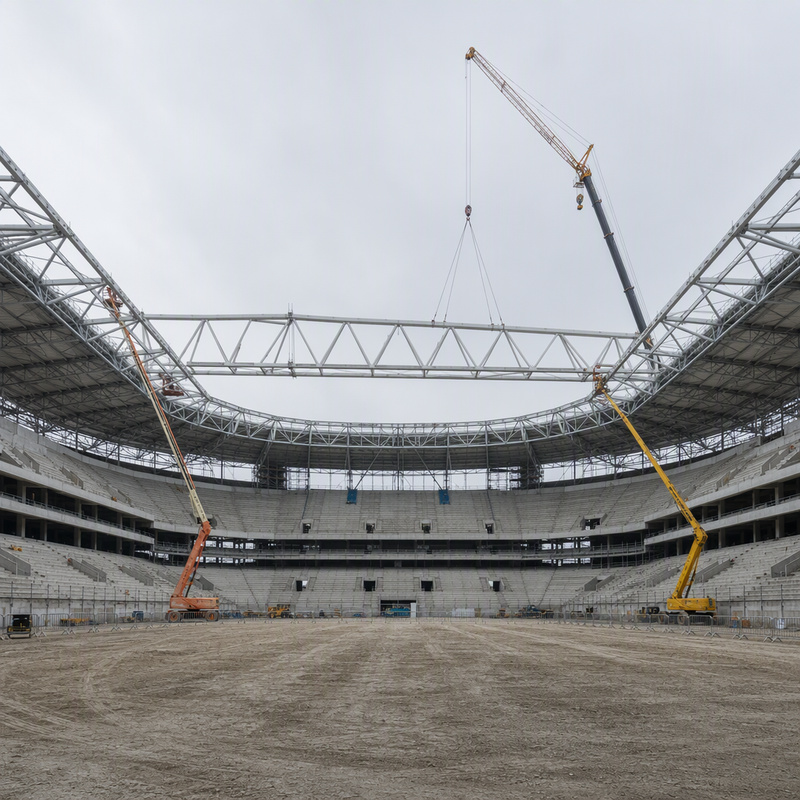
How to Evaluate the Quality of Steel Structures for Stadiums
Evaluating the quality of steel structures for stadiums is imperative to ensure safety and longevity. Buyers should start by examining certification and compliance with industry standards. Certifications that adhere to national and international standards provide assurance of the material's integrity.
Furthermore, buyers should conduct thorough inspections of the steel components. This includes checking for surface defects, weld quality, and dimensional accuracy. A common issue in steel fabrication is warping, which can affect the fit of components during installation. It is advisable to request samples and conduct tests under actual operating conditions to confirm their suitability.
Another critical aspect is the manufacturer's quality control processes. Companies like Shenyang Haibo Weiye implement stringent quality checks throughout the production process, ensuring that the final product meets the highest standards before it reaches the construction site.