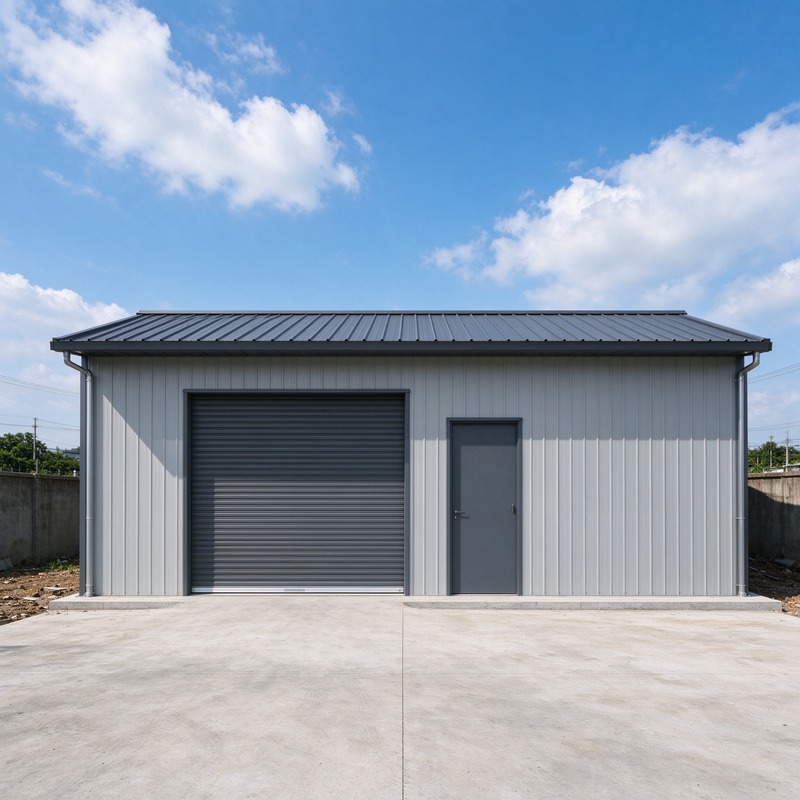
Key Considerations for Workshop Construction Materials

All Categories

workshop construction

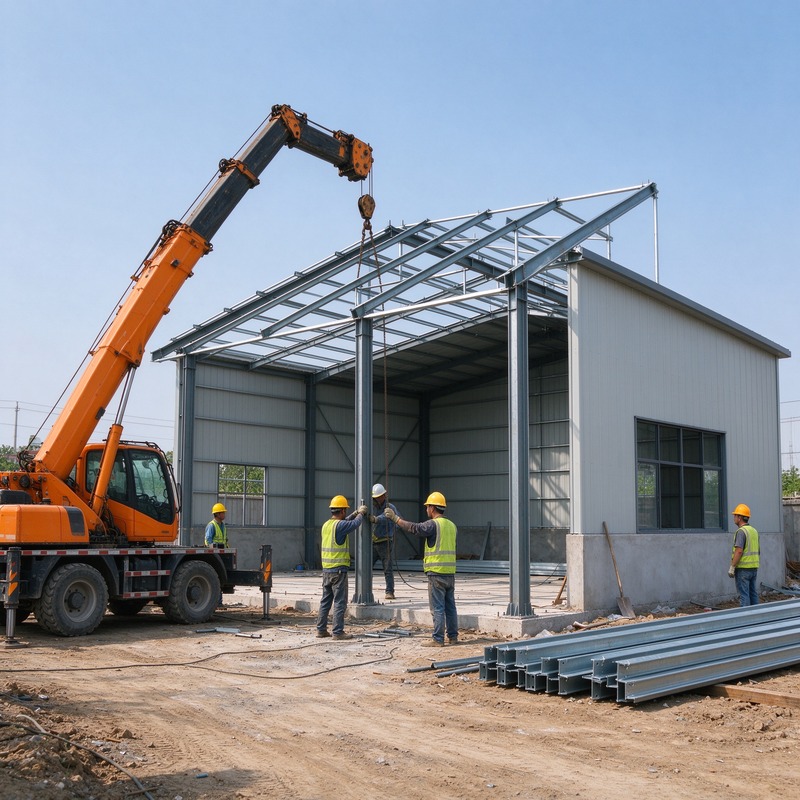
Workshop&nbsp; construction involves the design and assembly of structures specifically tailored for&nbsp; manufacturing or industrial activities. Selecting&nbsp; the right&nbsp; materials is&nbsp; essential&nbsp; for meeting operational needs, ensuring&nbsp; safety, and optimizing costs.&nbsp; This article addresses key considerations for buyers,&nbsp; including material&nbsp; specifications, cost factors, common challenges,&nbsp; and effective&nbsp; supplier&nbsp; sourcing. Understanding&nbsp; these&nbsp; aspects will empower purchasing managers, engineers,&nbsp; and project managers&nbsp; to make&nbsp; informed decisions that&nbsp; enhance the efficiency and durability of workshop&nbsp; facilities.</p>

Key Specifications for Quality Workshop Construction Products

Key Specifications for Quality Workshop Construction Products

Quality&nbsp; workshop construction products must adhere to specific technical&nbsp; specifications that dictate performance and safety. Key specifications include:

Material Thickness:&nbsp; This affects the structural integrity and load-bearing capacity. Thicker materials typically offer greater strength and durability.

Dimension Tolerances:&nbsp; Accurate dimensions are&nbsp; critical for proper&nbsp; assembly and to meet operational&nbsp; requirements. Tolerances should&nbsp; be specified to avoid issues during construction.

Coatings and Finishes: The&nbsp; finish can impact durability, corrosion&nbsp; resistance, and maintenance needs. Buyers&nbsp; should&nbsp; consider the environment in which the structure&nbsp; will be located when evaluating finishes.

Load Capacity: Understanding the expected loads,&nbsp; including equipment and personnel, is essential for selecting appropriate&nbsp; structural components&nbsp; like beams and columns.

Custom Specifications:&nbsp; Depending&nbsp; on the project, customization may be necessary.&nbsp; Discussing specific needs with suppliers can lead to&nbsp; tailored solutions that enhance functionality.
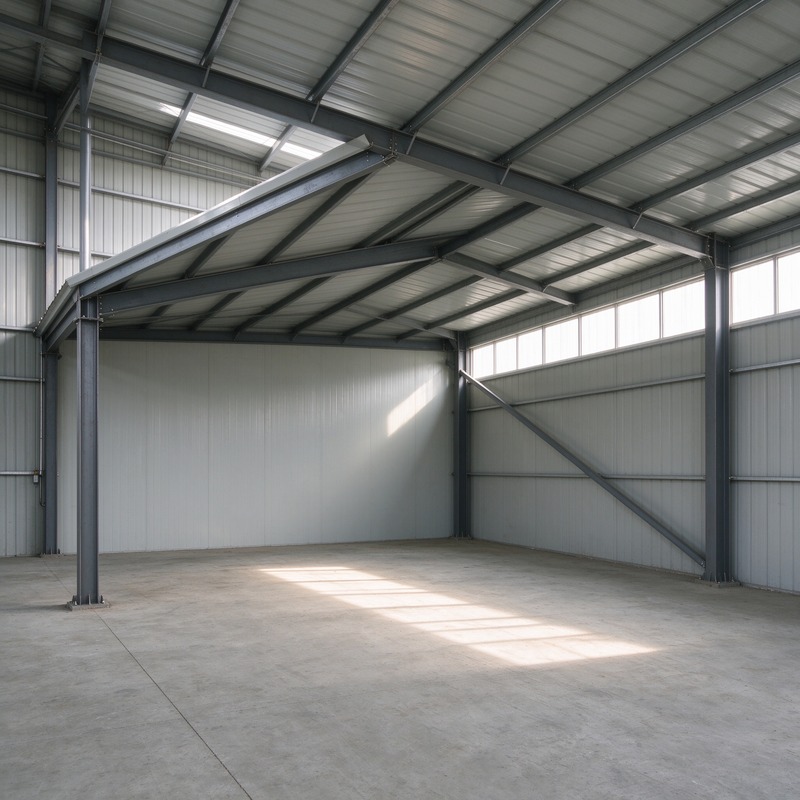
Cost Factors in Wholesale Workshop Construction Purchases

Cost Factors in Wholesale Workshop Construction Purchases

Cost considerations for workshop construction materials can vary&nbsp; widely based on several factors. Material choice&nbsp; is a primary determinant; for instance, high-grade steel may&nbsp; come&nbsp; at a premium compared to standard options. Additional factors include:

Volume Discounts: Purchasing&nbsp; in bulk&nbsp; often&nbsp; leads to significant savings. Buyers should assess minimum order quantities (MOQs) and&nbsp; negotiate&nbsp; pricing&nbsp; based on anticipated volume.

Transportation Costs: Shipping costs can&nbsp; impact overall expenses. Local suppliers may offer cost advantages in terms of logistics and&nbsp; delivery times.

Lead Times: Longer lead times&nbsp; might necessitate higher costs due to expedited shipping or increased project timelines.&nbsp; Buyers should factor in production&nbsp; schedules when assessing costs.


Quality and Specifications: Higher-quality&nbsp; materials and tighter tolerances typically increase costs. However, investing in&nbsp; quality can reduce maintenance&nbsp; and replacement expenses over&nbsp; time.

Common Problems in Workshop Construction and Their Solutions

Common Problems in Workshop Construction and Their Solutions

Workshop construction can present&nbsp; various challenges that may affect project&nbsp; timelines and&nbsp; costs.&nbsp; Common&nbsp; issues include:

Inaccurate Measurements: Miscalculations can lead to delays and increased costs. To mitigate this, ensure thorough planning and double-check&nbsp; all&nbsp; dimensions before ordering&nbsp; materials.

Material Deficiencies: Low-quality materials can compromise safety and performance. Implementing a robust quality control process,&nbsp; including inspections and testing, is&nbsp; vital to ensure&nbsp; compliance with specifications.

Supplier Reliability: Unreliable suppliers can&nbsp; impact project timelines. Establishing clear communication and&nbsp; setting expectations regarding delivery and quality can help mitigate&nbsp; risks.

Design Changes: Modifications to&nbsp; designs&nbsp; during construction can lead&nbsp; to added costs and delays. It’s advisable&nbsp; to finalize designs before commencing&nbsp; with material procurement&nbsp; to minimize disruptions.

Where to Find Trusted Suppliers for Workshop Construction Needs

Finding reliable&nbsp; suppliers for workshop&nbsp; construction materials is essential for ensuring project success. Here are some strategies for sourcing trusted partners:

Industry Networks: Leverage industry connections and&nbsp; attend trade shows to meet potential suppliers.&nbsp; Engaging with manufacturers directly can provide insights into their&nbsp; capabilities and quality standards.


Certifications and&nbsp; Standards: Look for suppliers that adhere to recognized industry standards and certifications. This can be an indicator of their commitment to quality and&nbsp; reliability.

Product Samples: Request samples to evaluate material quality and performance before placing&nbsp; large orders. This&nbsp; can help confirm that the&nbsp; products meet your specific requirements.

References and Reviews: Check customer&nbsp; testimonials and case studies to gauge&nbsp; supplier reliability and the quality of&nbsp; their products. Engaging with past clients can provide valuable&nbsp; insights into their&nbsp; experiences.

Local vs. Global Suppliers: Consider both local and international suppliers. Local suppliers may offer better&nbsp; support and logistics, while international options might provide cost advantages or specific product availability.


By focusing on these considerations, buyers can make informed decisions in workshop construction,&nbsp; ensuring that their chosen&nbsp; materials and suppliers align with project goals and operational requirements. Additionally, utilizing resources such as Prefabricated Steel Structure Warehouse Building can further enhance efficiency.

What to Consider When Choosing Workshop Construction Materials

When selecting materials for workshop construction, it’s&nbsp; crucial to evaluate factors such as&nbsp; strength,&nbsp; durability, and resistance to&nbsp; environmental conditions. Steel is often favored&nbsp; for its high tensile strength, which is essential in structures that will bear heavy loads or endure rigorous use.&nbsp; The&nbsp; choice between galvanized steel, which offers corrosion resistance,&nbsp; and painted steel, which provides aesthetic appeal, depends on&nbsp; the specific application and environmental exposure. For example, using Galvanized Film Greenhouse Tunnel Plastic Grow Tunnel can be a great option for specific environments.

Another&nbsp; important consideration is thermal performance.&nbsp; Insulated&nbsp; panels&nbsp; can help maintain energy&nbsp; efficiency in workshops, reducing heating and cooling costs. Additionally, fire resistance&nbsp; ratings&nbsp; should be assessed, especially in facilities that will house flammable materials&nbsp; or chemicals. Buyers should&nbsp; verify material certifications and compliance with&nbsp; local&nbsp; building codes to ensure safety and reliability.

Frequently Asked Questions

What types of workshop structures do you build?

We construct steel workshops including H-section frames, box columns, beams, trusses and composite roof and wall panels tailored to project needs.
We use H section steel, box columns, beams, steel trusses, purlins, composite plates and color steel profiled plates for durable structures.
Yes. We integrate design, production and sales, offering CAD-based design, CNC cutting, welding and full fabrication to site-ready components.
As a major Northeast China processor with advanced lines, we handle large orders. Lead time depends on scope; contact us with project details for a specific schedule.
Yes. We tailor section sizes, panel types and connections for diverse engineering requirements, ensuring compliance with load and site conditions.

Get a Free Quote

Our representative will contact you soon.
Email
Name
Company Name
Message
0/1000

Related product categories

Get a Free Quote

Our representative will contact you soon.
Email
Name
Company Name
Message
0/1000