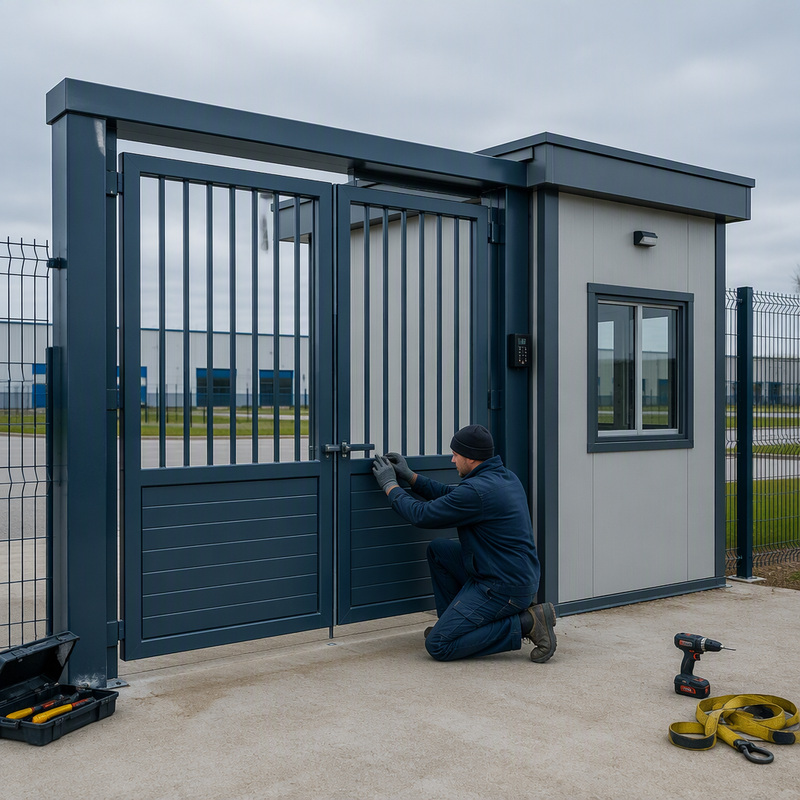
Key Considerations for Gate Building Materials

All Categories

gate building

Building  a gate involves selecting the right materials and  understanding various engineering considerations to ensure  durability and functionality. The primary keyword, "gate building," encompasses a  range of components and practices essential for  creating effective access points in both commercial and industrial  settings. Buyers  often  seek reliable information  on material specifications, quality  assurance,  and installation techniques to make  informed purchasing decisions. This article will explore  key factors  to consider  when  choosing materials for gate building,  evaluating steel quality, purchasing options, installation guidance, and  various applications  across  industries.
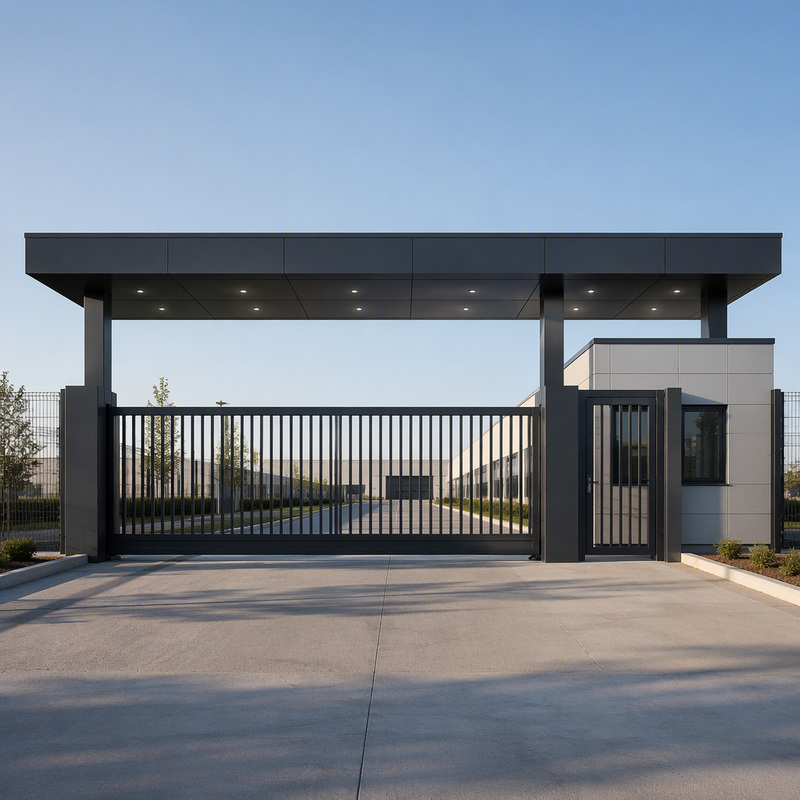
How to Evaluate the Quality of Steel for Gate Building

How to Evaluate the Quality of Steel for Gate Building

The quality of steel is paramount in gate building, as it  directly impacts the gate's strength,  stability, and lifespan.  Here are critical factors to evaluate:

Grade of  Steel: Different grades of steel, such as  ASTM A36 or A992, offer varying  levels of strength and flexibility. Higher-grade steel may be necessary for heavy-duty gates subjected  to significant stress.

Chemical Composition: Buyers should assess the steel's chemical composition, including carbon content  and alloying elements. These factors affect weldability, corrosion resistance, and overall performance.

Mechanical Properties: Understanding the  steel's yield strength, tensile strength, and elongation can provide insight into its performance under load.  This information is often available from the manufacturer and should be verified.

Quality  Certifications: Look  for  suppliers that adhere to industry standards  and certifications,  which can indicate a commitment to quality and reliability. This includes compliance with ISO standards or other relevant certifications.

Inspection and Testing:  Prior to mass production, conducting inspections or requesting test reports can help ensure the steel meets specified requirements. This  step can prevent issues related to  material failure during use.

By  focusing on these quality  indicators, buyers can make informed decisions that ensure their gates perform as intended.
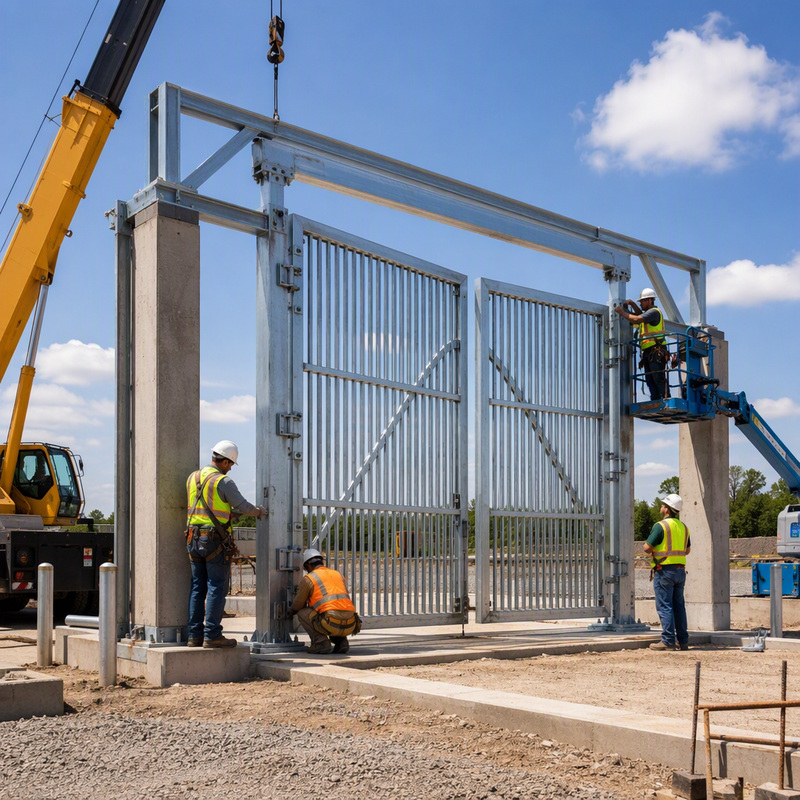
Wholesale Purchasing Options for Gate Building Components

Wholesale Purchasing Options for Gate Building Components

When  sourcing gate building components, wholesale purchasing can offer significant advantages. Here  are some options to consider:

Direct Manufacturers: Purchasing directly from manufacturers like Shenyang Haibo Weiye Light Steel Color Plate  Co., Ltd can provide cost savings and access  to a wider range of products, such as H section steel, box columns, and beams.

Distributors and Resellers: Working with established distributors  can  simplify the procurement process. They often have a variety of materials in stock and can provide immediate availability.

Bulk Orders: Many suppliers offer discounts for bulk orders, which can  be beneficial for large projects. Understanding the minimum order  quantity (MOQ) is essential when planning purchases.

Custom Orders: For unique  projects, some manufacturers offer customization for  components, which may include specific dimensions or material finishes. Discussing requirements early in the procurement process  can streamline order fulfillment.

Shipping and Logistics: Consider the supplier's capability to  handle shipping logistics, especially for large or heavy components. This can  impact lead times and overall project timelines.

By exploring  these wholesale purchasing options, buyers  can optimize their procurement  strategy for gate building materials and components. Additionally, exploring options like Industrial Workshops & Plants can provide insights into the kinds of gates that are effective in various operational environments.

Installation Guidance for Efficient Gate Building Practices

Installation Guidance for Efficient Gate Building Practices

Effective installation practices are  essential for ensuring the functionality and longevity of gates. Here are some key guidelines:

Site Preparation: Proper site preparation  is critical. This includes  leveling  the ground and  ensuring a stable foundation that can support the gate's weight  and operational requirements.

Assembly Instructions: Following  detailed assembly instructions from the manufacturer can prevent common installation issues. Ensure  all components are  accounted for before beginning the installation process.

Alignment and Leveling: Gates must be aligned  correctly  to  function properly. Use level tools to ensure that the gate hangs evenly and  operates  smoothly. Misalignment can lead to operational issues and premature wear.

Secure Fastening: Use high-quality fasteners that are  compatible  with the materials being used. Proper fastening techniques are vital for  maintaining the gate's structural integrity over time.

Regular Maintenance: Post-installation, implementing a regular maintenance schedule can help identify and address issues before they become significant problems.  This includes lubrication of moving parts and inspection of  structural components.

By  adhering to these installation practices, buyers can ensure that their gates are not only functional but also durable and long-lasting.

Applications of Gate Building in Various Industries

Gate building plays a  critical role across numerous industries, each with specific requirements and applications:

Commercial Facilities: In commercial settings, gates provide security and access control. Automated gates may  be preferred for high-traffic  areas, enhancing convenience and  safety.

Industrial Applications: Manufacturing plants often require robust gates  to manage heavy equipment and vehicle access. Gates must be designed to withstand harsh operational  environments and frequent use.

Transportation and Logistics: In logistics hubs, gates facilitate the movement of goods and  can be designed for quick access while ensuring security.

Residential Developments:  Gates in residential areas provide privacy  and security.  Custom designs are often sought to enhance aesthetic appeal while serving  practical purposes.

Agricultural Operations: Gates in agricultural settings must  be durable and withstand environmental factors. They often need to accommodate larger machinery  and  livestock. For more information, our page on Agricultural Steel Buildings can provide further insights into the structures used in these applications.

By recognizing the diverse applications of gate building, buyers can tailor their material and design choices to meet specific industry demands. 

Through  careful consideration of materials, quality evaluation, strategic purchasing,  precise installation, and understanding industry applications, buyers can make informed decisions that lead to successful gate  building projects.

What to Consider When Choosing Gate Building Materials

Selecting the appropriate materials for gate building is crucial for ensuring  longevity and performance. Buyers should consider several  key  factors:

Material  Type: Common materials include steel, aluminum, and composite options. Steel is often  favored for its strength and durability, particularly in heavy-duty applications, while aluminum offers a lightweight  alternative with corrosion resistance. For those interested in understanding more about the benefits of steel, our guide on Steel Structure Buildings provides valuable insights.

Thickness and Dimensions: The material's thickness affects its  structural integrity and load-bearing  capacity. Buyers must determine  the required dimensions  based on the gate's intended use and load conditions.

Coating  and Treatment: Protective coatings,  such as galvanization or powder coating, enhance corrosion resistance. Buyers should evaluate the environmental conditions the gate will face  and  choose coatings accordingly.

Customization Options: Different projects may require specific sizes or designs. Understanding the customization capabilities of suppliers can help  meet unique project requirements.

Cost Considerations: While upfront  costs are important, buyers  should also consider  the long-term value, including maintenance and durability.

By carefully evaluating these considerations, buyers can select materials that align with their specific project  needs.

Frequently Asked Questions

What types of gate structures do you manufacture?

We produce H-section frames, box columns, beams, steel trusses and composite panels suitable for various gate buildings and entrances.
Yes. We integrate design, production and sales to deliver customized gate layouts, sizes, materials and finishes to meet project specifications.
We use H section steel, box columns, beams, purlins, steel trusses and color steel profiled plates and composite plates for durable gate structures.
Advanced steel structure production lines plus CNC and welding equipment allow precise cutting, forming and welding for large-scale gate components.
Yes. As a major Northeast China processor with high annual output, we handle diverse engineering scenarios and coordinate production and delivery.

Get a Free Quote

Our representative will contact you soon.
Email
Name
Company Name
Message
0/1000

Related product categories

Get a Free Quote

Our representative will contact you soon.
Email
Name
Company Name
Message
0/1000