EN
Fence gates are essential components in a variety of applications, from residential properties to commercial and industrial sites. Understanding the intricacies of fence gate construction is crucial for purchasing managers, engineers, and other decision-makers who aim to ensure durability, functionality, and cost-effectiveness. This article will explore key specifications, cost factors, installation guidance, common construction problems, and design comparisons, helping you make informed decisions in your fence gate projects.
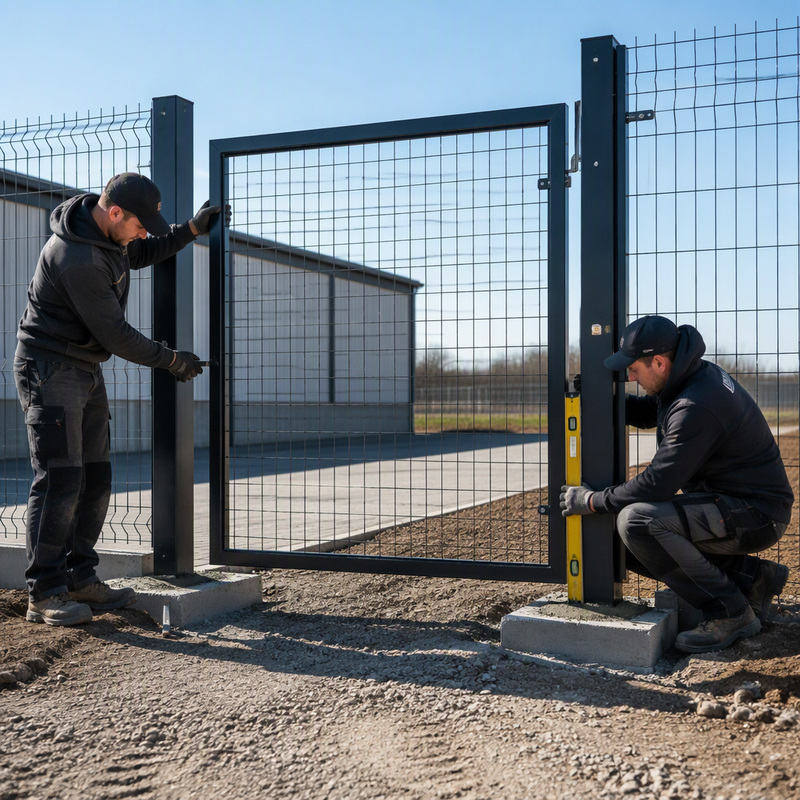
Understanding the Cost Factors in Fence Gate Construction Projects
The cost of fence gate construction can vary widely based on several factors:
Material Costs: The choice of material greatly influences the overall cost. Steel gates tend to be more expensive than wood or aluminum due to the strength and durability they provide. Discussing material options with your supplier can help align your budget with your needs.
Design Complexity: More complex designs or custom fabrication may increase the cost. If your project requires specific aesthetic features or additional functionality, such as automated opening mechanisms, this can also contribute to higher expenses.
Labor and Installation: Labor costs vary depending on the complexity of installation. Gates that require significant structural support or have unique installation needs may incur additional labor charges.
Delivery and Shipping: Depending on your location and the supplier's location, shipping costs can add to the overall price. It’s advisable to discuss logistics early in the procurement process.
Volume Discounts: If you are purchasing multiple gates, inquire about bulk discounts. Many manufacturers, including Shenyang Haibo Weiye Light Steel Color Plate Co., Ltd, offer favorable pricing for larger orders, which can significantly reduce the per-unit cost. Additionally, considering metal building kits might provide further savings.
By understanding these cost factors, you can budget more effectively and identify areas where you may be able to save while still meeting quality and performance requirements.